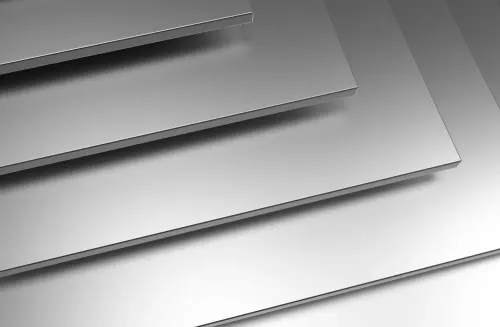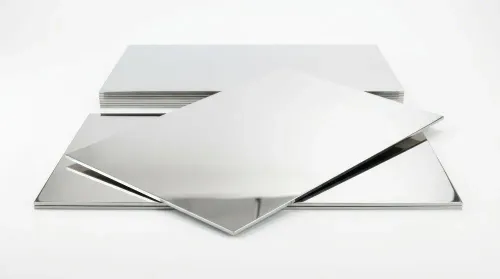
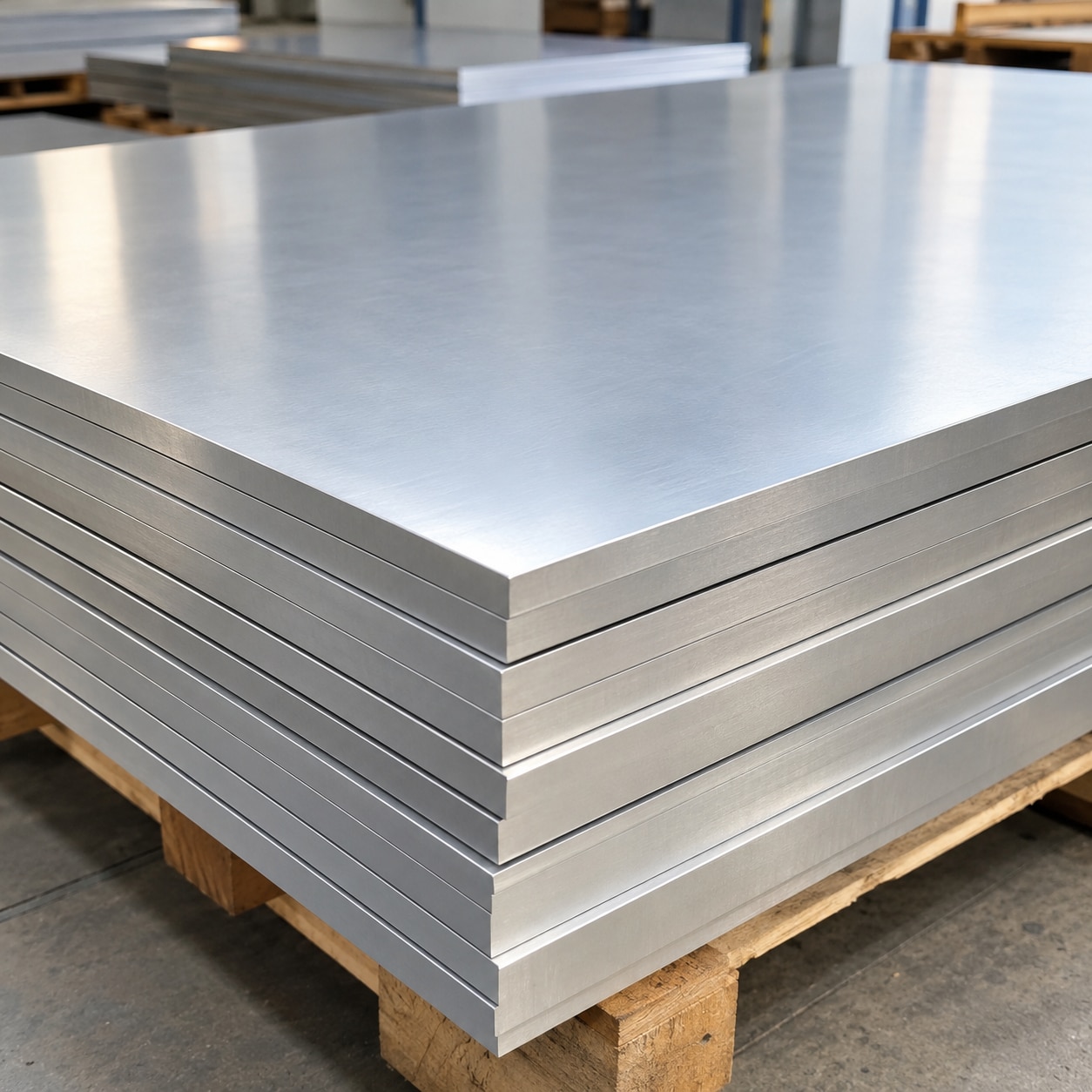
Rain, trapped condensation, cement splashes, salt deposits and careless lifting can mark or damage 10mm aluminium before installation is complete. You will be able to check the material at delivery, store and handle it safely, protect it during fabrication, and decide when cleaning, repair or replacement is appropriate.
Key takeaways
- Confirm alloy, temper, dimensions and mill finish against the purchase order.
- Store plates on dry supports with spacers that allow air circulation.
- Keep cement, steel dust, cutting fluid and trapped moisture off aluminium.
- Assess scratches, dents and corrosion before choosing repair or replacement.
Confirm the material and inspect it when it arrives
A 10 mm aluminium product is normally classified as plate under ASTM B209 terminology, not sheet: 10 mm is about 0.394 inch, above the usual 0.250-inch boundary. Before construction aluminium sheet storage begins, match the delivery against the purchase order and confirm the alloy, temper, dimensions, quantity and mill finish.
- Check the mill certificate, packing list and identification tags for the ASTM B209 grade, alloy and temper. Do not accept a description that says only “10mm sheet.”
- Measure thickness and dimensions against the project specification, and record the heat or batch number before removing labels.
- Inspect every accessible face, edge and corner for dents, gouges, deep scratches, edge cracks, distortion and handling marks. Photograph defects with the tag visible.
- Look for wet packaging, standing water, salt deposits and white or grey marks between plates. These indicate trapped moisture or wet storage stain; separate affected plates, dry them and inspect for pitting before acceptance.
- Reject or quarantine plates splashed with cement, mortar, plaster or alkaline wash water. Fresh cement residue can stain and attack aluminium, especially if it has hardened.
- Confirm that the material is plain mill-finish aluminium, not anodized or painted stock supplied by mistake. Different finishes require different cleaning and repair methods.
Keep accepted plates under a dry, ventilated roof, raised above the floor on level supports, away from walls and standing water. Record the inspection, photographs and any supplier notification before stacking; storing a disputed or contaminated plate can make responsibility—and the damage—harder to establish.
Store plates dry, supported and separated from trapped moisture
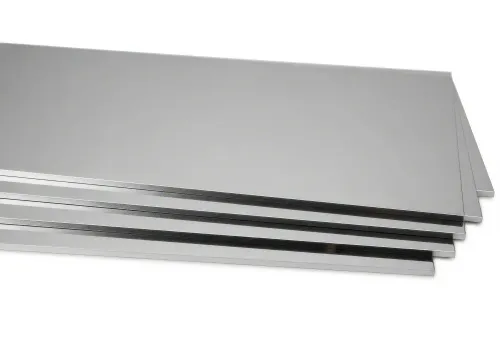
Keep 10mm plates under a dry, ventilated roof, raised above the floor on level, closely spaced supports. This protects plain aluminium sheet from Mumbai rain, floor water and condensation while preventing unsupported areas from bending.
1. Set supports on a firm, level base and size the rack for about 27 kg per square metre of plate, plus the combined weight of the stack. Keep the sheets off walls and away from standing water.
2. Stack only clean, dry plates. If a sheet arrives wet, separate it immediately, wipe or air-dry both faces, and improve airflow before stacking it again.
3. Use clean, dry separators that maintain air gaps between sheets. Trapped water can create white or grey powdery marks called wet storage stain or white rust; aluminium does not rust like steel, but the stain can still damage the appearance.
4. Cover the stack with a sloped rain-shedding cover, leaving open sides for ventilation. Do not seal it in tight plastic: temperature changes can create condensation inside the wrapping and keep moisture against the plates.
5. Keep cement, mortar, plaster and alkaline wash water away from the storage area. Place a temporary non-absorbent barrier beneath or beside the stack, and rinse splashes promptly with plenty of clean water before residue hardens.
Inspect separated plates for powdery deposits, dull patches, edge dents and distortion. Never drag a plate across another sheet, a steel rack or concrete; lifting damage at an edge can prevent a tight architectural joint later.
Control handling, cutting and site contamination
One drag across concrete, a steel rack or another sheet can gouge mill-finish aluminium. Lift each 10mm plate with enough support, and keep slings, clamps, forks and gloves free of grit; edge dents can stop an architectural joint closing tightly.
- Place a clean, non-absorbent separator between the sheet and every contact surface before lifting or stacking.
- Carry plates vertically with coordinated support rather than sliding them across the floor.
- Mark cut lines with a removable marker, clamp the sheet on a clean sacrificial board, and remove swarf before it is pressed into the face.
- Deburr cut edges with a clean tool, then vacuum or wipe away chips; do not use a gritty rag or drag offcuts across the surface.
- Cover exposed faces with a breathable temporary barrier, keeping cement, mortar, plaster and alkaline wash water away from edges and joints.
- Rinse fresh cement splashes immediately with plenty of clean water. Do not let residue harden, and do not scrape it off with a steel blade.
For 10mm plain aluminium sheet care in Mumbai, treat salt and monsoon moisture as contaminants: rinse exposed surfaces with fresh water and dry them after prolonged site exposure.
Good 10mm aluminium sheet maintenance also means separating mill-finish aluminium from anodized or painted parts; an abrasive or repair product suitable for one finish can permanently damage another. Deep scratches, gouges, cracked edges and torn holes need fabricator assessment, not filler or arbitrary steel touch-up paint.
Protect joints and the installed surface through handover
Keep joint lines dry and free from cement, mortar, plaster and alkaline wash water until sealing is complete. Fit a temporary non-absorbent barrier around the installed 10mm plate, but leave drainage paths open; a cover that traps rainwater against a joint creates staining and crevice corrosion.
- Before sealing, remove dust and cement splashes with plenty of clean water, then dry the joint completely.
- Use a sealant, backer material and fixing accessories approved for contact with aluminium and compatible with the specified finish.
- Do not apply steel touch-up paint, filler or sealant over damp, dirty or corroded metal.
- During monsoon work, use a sloped cover with open ventilation rather than tightly wrapping the installation in plastic.
- Inspect joints after heavy rain for ponding, separated sealant, white deposits and dark pits; correct the water path before closing the work.
For routine 10mm aluminium sheet maintenance, wash with clean water and a mild, non-abrasive detergent using a soft cloth or sponge. Rinse thoroughly and dry, especially after salt spray or prolonged coastal exposure. Wire brushes, abrasive pads, strong acids, strong alkalis, chloride-containing cleaners and aggressive scraping can permanently mark mill-finish aluminium.
If the assembly includes anodized or painted/coated parts, follow the finish supplier’s maintenance instructions instead of applying the mill-finish method. Remove temporary protection before handover only after dusty and wet trades are finished, then record the final condition with photographs.
Structural cracks, torn holes and visibly thinned metal require engineering repair or replacement, not cosmetic filling.
Assess damage before choosing repair or replacement
A shallow mark is a repair decision; a crack, torn hole or visibly thinned section is a replacement or engineering-repair decision.
Plain aluminium sheet repair in mumbai is suitable only after you identify the alloy and finish, remove corrosion products and cement or salt contamination, dry the area completely, and select a repair system compatible with aluminium and the site exposure.
| Damage or condition | Suitable action | Why it matters |
|---|---|---|
| Light surface mark on mill-finish aluminium | Clean, then dress lightly in one consistent direction | Abrasion changes reflectivity, so the blend area may remain visible |
| Deep scratch, gouge or local pitting | Fabricator assessment; repair only with a compatible system | Filler or arbitrary steel touch-up paint can fail on damp or contaminated aluminium |
| Crack, torn hole, cracked edge or section loss | Replace the piece or obtain an engineer-approved repair | Cosmetic treatment cannot restore lost strength or thickness |
| Cement stain or chloride-related deposits | Rinse promptly with plenty of clean water, dry and inspect | Hardened alkaline residue and salt can worsen staining and pitting |
Do not use a mill-finish cleaning method on anodized or factory-painted material. The finish supplier’s maintenance instructions control the abrasive, cleaner and repair coating. For a replacement, give Aluminium World the alloy, temper, 10 mm thickness, dimensions and finish; 10 mm falls within plate terminology under ASTM B209, so “sheet” alone leaves the specification incomplete.
Related products
 | Aluminium Sheet Minimum Order Quantity: 100 Kg Material Aluminium Shape Rectangular Color Silver Country of Origin Made in India Surface Polished Counted as one of... View product → |
 | Aluminium Plate ₹ 250/KgGet Latest Price Minimum Order Quantity: 100 Kg Thickness 10 mm Pattern Plain Shape Rectangular Material Aluminium Surface Treatment Polished... View product → |
Frequently asked questions
What should you check when 10mm aluminium plates arrive?
Match the delivery with the purchase order and verify the alloy, temper, dimensions, quantity and mill finish. At 10mm, the product is normally plate under ASTM B209 terminology because it exceeds the usual 0.250-inch sheet boundary.
How should 10mm plain aluminium plates be stored during construction?
Keep plates dry, supported on level bearers and separated with clean spacers. Prevent water or condensation from becoming trapped between stacked plates, and avoid direct contact with soil, concrete and steel.
How can you prevent site damage to plain aluminium sheet?
Use clean lifting equipment, protect edges during movement, and keep plates away from cement slurry, steel dust, sparks, cutting fluids and abrasive debris. Cover installed surfaces without sealing in moisture.
When should damaged aluminium be repaired or replaced?
Inspect the damage after cleaning it with a suitable non-abrasive method. Repair superficial marks when thickness, flatness and appearance remain acceptable; replace the plate when damage compromises dimensions, structural function or the finished surface.
Keywords